















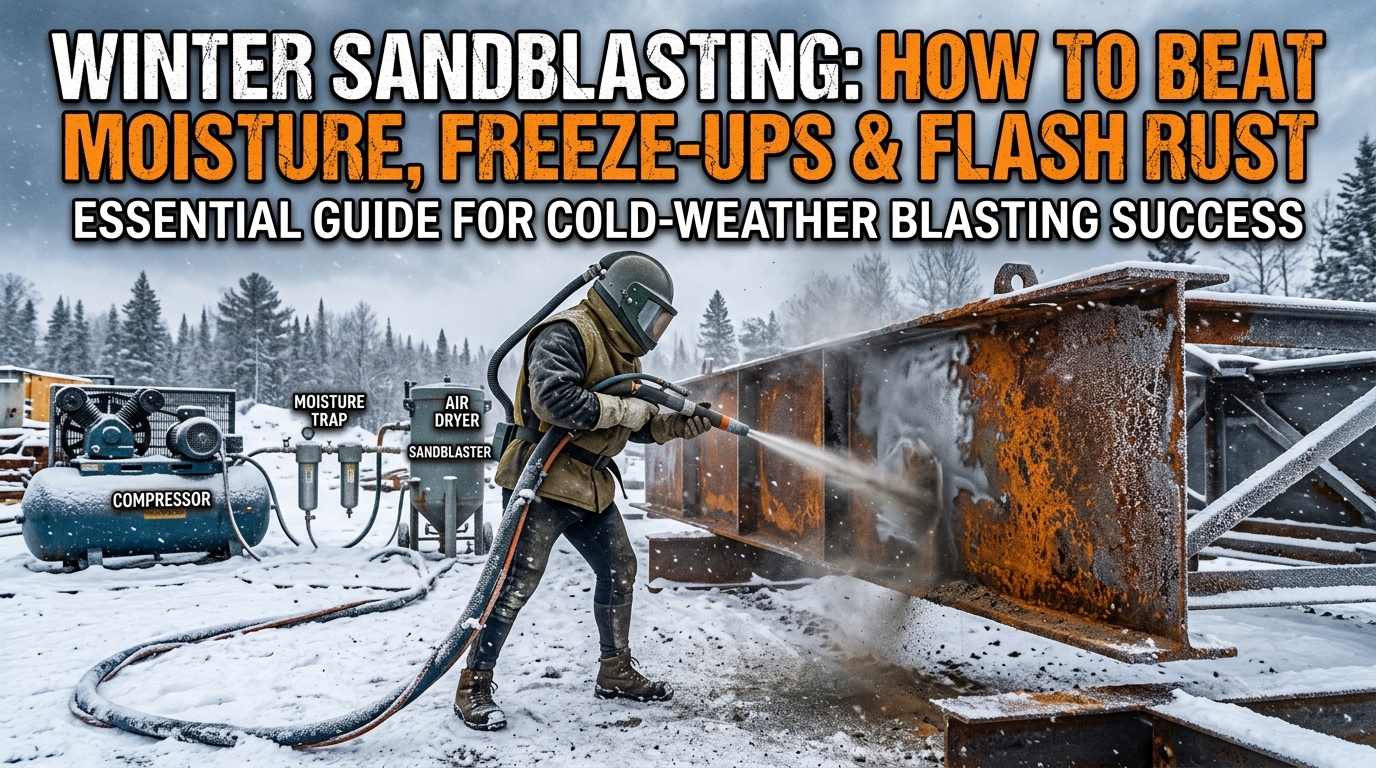
Winter Sandblasting: How to Beat Moisture, Freeze-Ups and Flash Rust
Every blaster knows the first cold morning of the season. The pot won’t feed, the nozzle spits, the abrasive comes out in clumps, and the steel you blasted yesterday has an orange haze on it today.
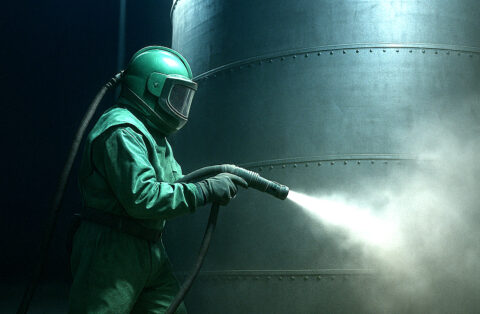
It isn’t bad luck. Cold weather turns your compressed air into a water delivery system, and that water goes straight into your pot, your hose and your work.
The good news: winter downtime is almost entirely preventable. Here are four fixes our customers use to keep blasting — and billing — straight through the cold months.
Why cold weather wrecks blast production
Your compressor pulls in outside air, squeezes it and heats it. Hot compressed air holds a lot of water vapor. When that air hits a cold air line, a cold pot and a cold hose, the vapor condenses into liquid water.
That water pools in low spots of the air line. The next time you pressurize, it gets pushed up through the pop-up and into your abrasive. Here’s what follows:
- Clumping and bridging. Damp abrasive won’t flow through the metering valve, so the nozzle surges, spits or quits.
- Choking the pot to compensate. Operators close the choke to force flow, which wastes abrasive and wears parts faster.
- Frozen lines and valves. Below freezing, standing water turns to ice in valves, pop-ups and control lines.
- Flash rust. Moisture leaving the nozzle lands on fresh steel and starts rusting it before you can coat.
- Faster wear. Wet abrasive chews through nozzle liners, pinch tubes and gaskets, and corrodes the pot from the inside.
The fix is not one product. It’s dry air, a clean surface window, sound pot parts and a warm operator. Let’s take them one at a time.
Fix 1: Dry your air before it reaches the pot
Dry air is the single biggest winter upgrade you can make. Garnet supplier GMA reports that effective moisture removal can cut abrasive consumption by up to 20% and raise blasting speed by up to 10% (GMA Garnet). That’s savings you feel all year, not just in winter.
What to do
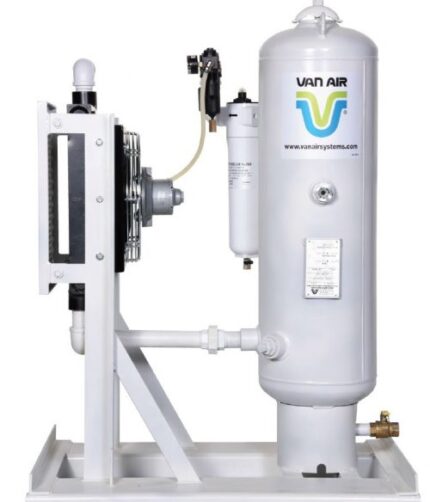
- Add an air dryer between the compressor and the pot. A dedicated dryer like the Van Air Dry Pack Pro pulls water out of the air stream instead of letting it reach your abrasive. Cooling-only aftercoolers lose effectiveness in cold climates, so pick a dryer built for the conditions you work in.
- Size it to your compressor. An undersized dryer passes wet air. Match the dryer’s CFM rating to your compressor output, not your nozzle.
- Drain everything, every day. Open the compressor tank drain, the dryer drain and any moisture separator at shutdown. Water left overnight is ice by morning.
- Keep the air line short and off the ground. Low loops collect water. Run the line so it slopes back toward a drain point.
Shop air dryers and wet blast equipment »
Fix 2: Beat flash rust with the dew point rule
Most coating specs built on SSPC/AMPP practice won’t let you blast or coat unless the steel is at least 5°F above the dew point and relative humidity is 85% or lower. In winter, steel stays cold long after the air warms up, so that margin disappears fast — especially at sunrise and late afternoon.
What to do
- Check before you blast. Take air temperature, humidity and steel surface temperature at the start of each shift. Blast during the warmest, driest window of the day.
- Blast only what you can coat. Don’t leave bare steel sitting overnight in cold, damp weather.
- Use a rust inhibitor when you can’t coat right away. Holdtight 102 and Express Blast help hold a clean surface until you’re ready to prime. Always confirm compatibility with your coating spec.
Fix 3: Use the slow season to rebuild your pot
Winter is when work slows down — and when worn parts fail. A rebuild now is a parts order and an afternoon. A breakdown on a spring job can cost you the job.
Here’s what to inspect and replace before spring:
| Part | Signs it’s worn | Shop |
|---|---|---|
| Pop-up valve and seat ring | Pot won’t seal or loses pressure; air hissing at the fill hole | Pop-ups & seat rings |
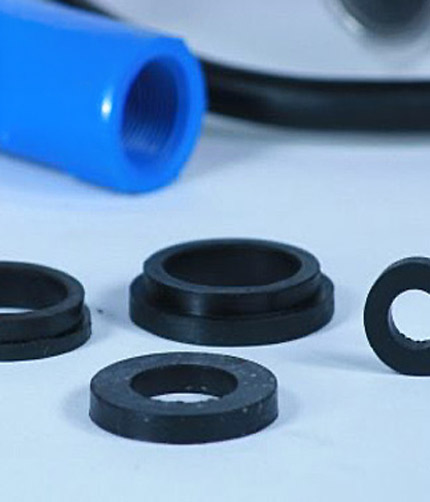
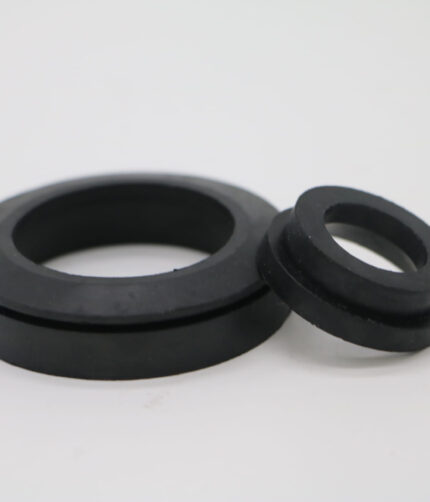
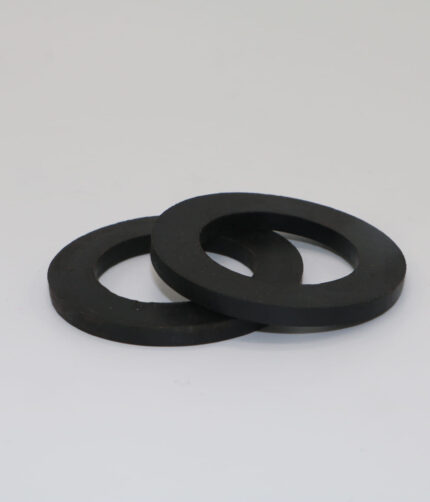
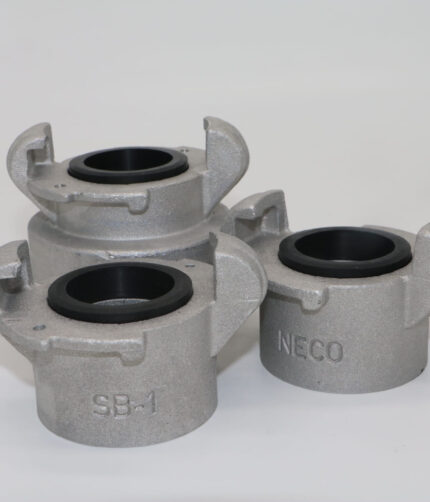
| Coupling and nozzle gaskets | Leaks at couplings; abrasive escaping at the nozzle | Gaskets, washers & screws |
| Metering (grit) valve | Surging, uneven flow, can’t dial in abrasive rate | Metering valves |
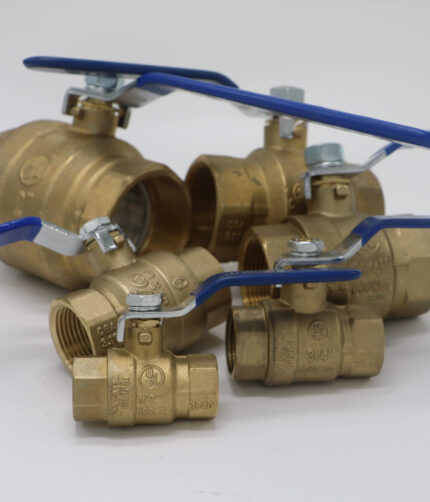
| Inlet/outlet and exhaust valves, pinch tubes | Slow start/stop, valves sticking in the cold | Rebuild kits & screens |
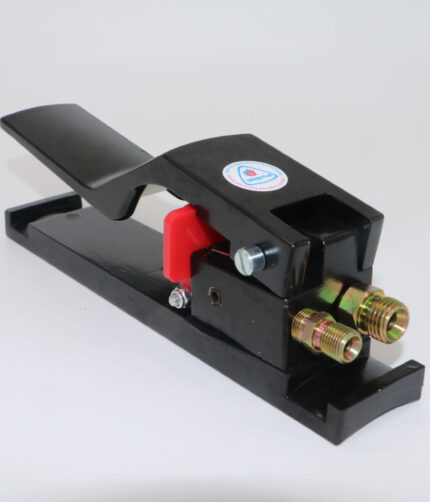
| Deadman handle | Sticky lever, slow shutoff — a safety issue, not just a nuisance | Deadman controls |
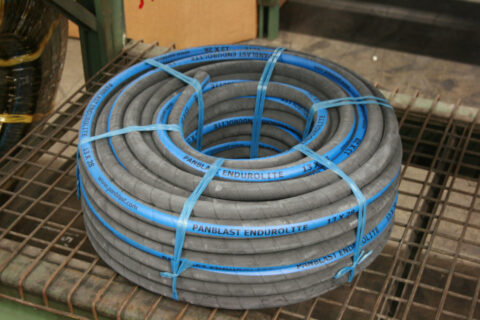
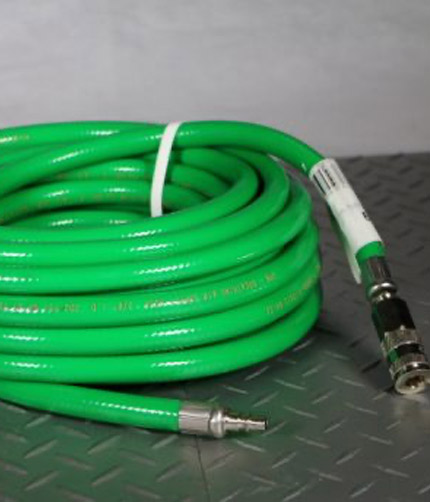
| Blast hose | Soft spots, worn cover, cracks from cold flexing | Blast hose |
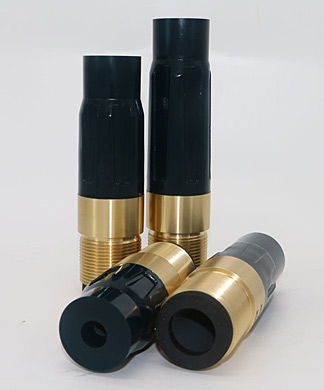
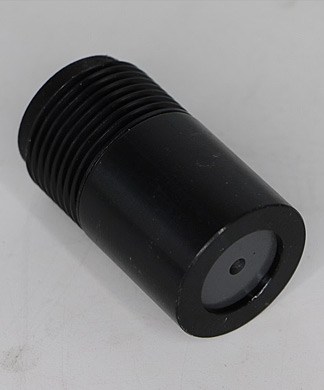
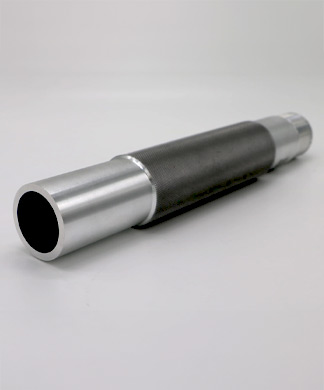
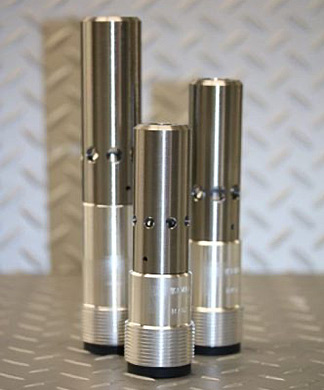
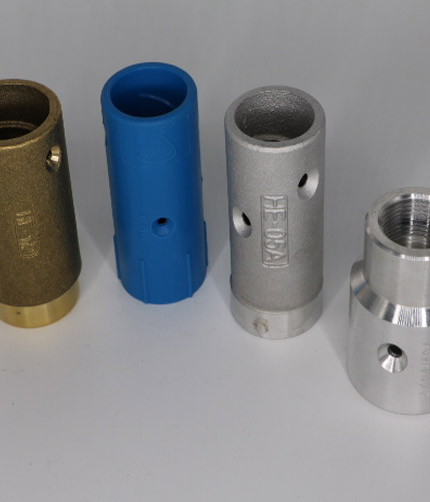
| Nozzle | Bore worn 1/16″ over original size | Blast nozzles |
Not sure which parts fit your pot? Call us at 910-303-1350 with your pot’s make and model. We’ll build the parts list for you.
Go deeper: Blasting Nozzle Wearing Out Fast, Sandblasting Hose Size Guide and Deadman Switch Overview.
Fix 4: Keep the operator warm and seeing clearly
A cold operator is a slow operator. Supplied breathing air can feel freezing in winter, and crews cut shifts short or take more breaks to warm up.
What to do
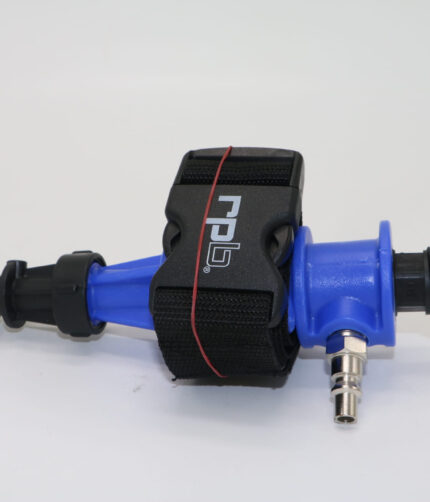
- Warm the breathing air. The RPB® C40 Dual Climate Control lets the operator heat or cool supplied air at the belt, and it pairs with Nova 2000 and Nova 3 helmets. Shop C40 and climate control parts »
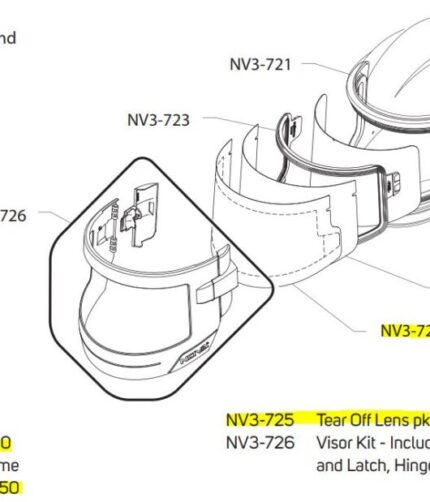
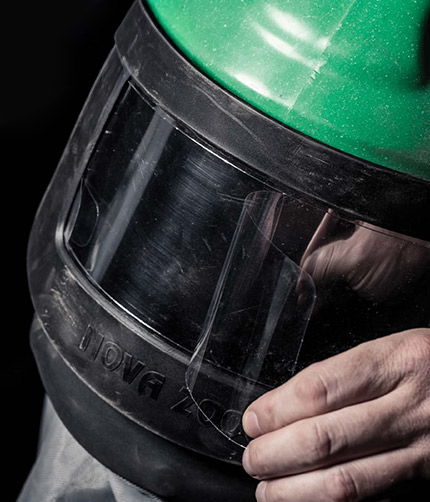
- Stock lenses and tear-offs. Cold mornings mean fogging and more lens changes. Keep Nova 3 lenses and tear-offs on the truck.
- Change your airline filter cartridge. Winter moisture loads filters faster. A fresh Radex filter cartridge keeps breathing air clean.
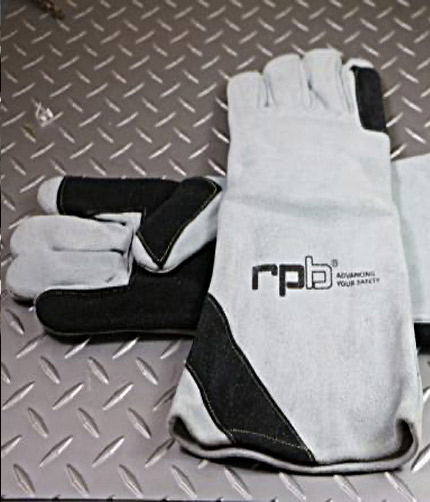
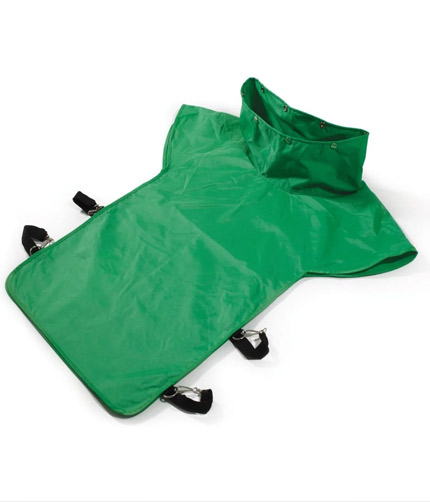
- Layer up under the right gear. RPB® blast suits, capes and gloves protect against rebound and help hold heat.
Related: Why a Complete Breathing Air System Matters for Blasting Safety.
Your winter blasting checklist
Print this and tape it inside the truck.
Daily
- Drain compressor tank, dryer and moisture separator at shutdown
- Check air temp, humidity and steel temp before blasting (steel 5°F+ above dew point)
- Store abrasive covered and off the ground
- Empty the pot at the end of the day — don’t leave abrasive sitting overnight
Weekly
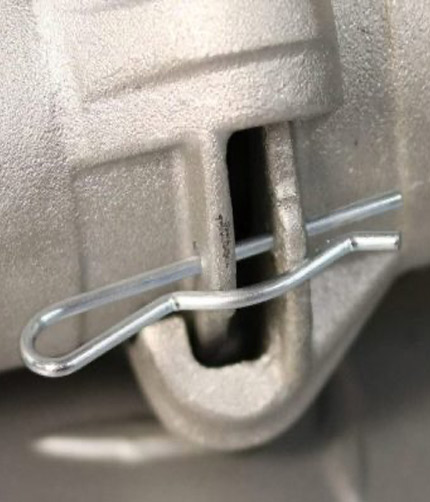
- Inspect couplings, gaskets and safety pins/whip checks
- Check nozzle bore wear
- Test deadman shutoff speed
- Check airline filter condition
Before spring
- Replace pop-up, seat ring and pot gaskets
- Rebuild or replace metering, inlet and exhaust valves
- Inspect blast hose end to end
- Stock spare nozzles, gaskets, lenses and filter cartridges
Frequently asked questions
Can you sandblast in cold weather?
Yes. Dry your air, drain lines daily, and keep the steel at least 5°F above the dew point. Most problems come from moisture, not the temperature itself.
Why does my blast pot clog in winter?
Condensed water in the air line gets pushed into the pot and dampens the abrasive. Damp abrasive clumps and won’t pass the metering valve. An air dryer and daily draining solve most cases.
Why is my steel rusting right after I blast it?
That’s flash rust. Moisture from the air stream or condensation on cold steel starts rusting the fresh surface. Blast in the warmest part of the day, coat quickly, or use a rust inhibitor.
Do I need an air dryer for sandblasting?
If you blast in humid or cold conditions, yes. It reduces clogging, flash rust and abrasive waste, and protects your pot and valves from internal corrosion.
How often should I rebuild my blast pot?
Inspect it every season and replace wear parts — pop-ups, seat rings, gaskets and valve internals — as soon as you see leaks or uneven flow. The slow winter months are the best time.
Get winter-ready today
Don’t wait for the first frozen morning to find out what’s worn. Order your dryer, rebuild parts and spares now, and you’ll start spring with a pot that runs like new.
- Same-day shipping on orders placed by 1:30 pm EST, Monday–Friday.
- Not sure what fits? Call 910-303-1350 or email sales@bluedogblasting.com. Tell us your pot’s make and model and we’ll build your winter parts list.
- Want deals first? Join the Blue Dog email list for subscriber-only pricing.
Blasting Supplies and Equipment
See our complete line of Sandblasting Replacement Parts.