
















Related Posts
21Aug
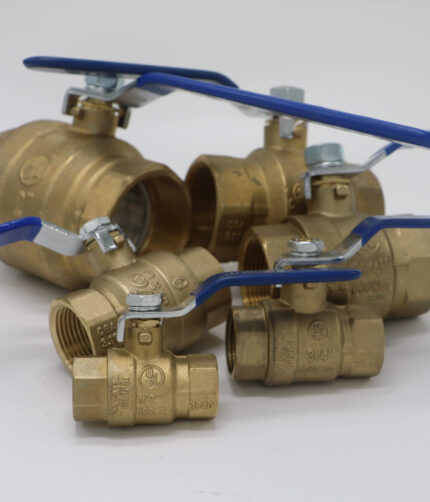
Why Sandblasters Should Get Their Abrasive Grit Valves at Blue Dog Blasting
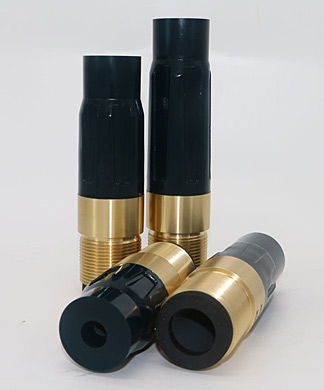
You don’t have to overspend on OEM abrasive grit valves. At Blue Dog Blasting, we provide high-quality aftermarket grit valves that deliver the same reliable performance—at a fraction of the…
08Jul

Abrasive Embedment
The Debate on Abrasive Embedment in Sandblasting There’s a lot of disagreement in the sandblasting industry about abrasive embedment. This includes business owners, industry professionals, and especially companies that make
03May

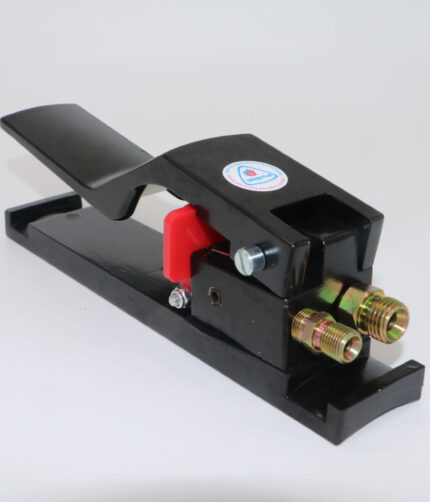
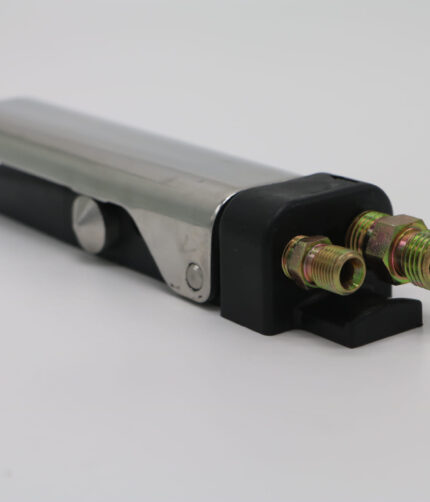
Deadman Switch Overview
Deadman controls in sandblasting operations are crucial for ensuring safety and preventing accidents. Here we discuss some of the key reasons why deadman controls are important.
09Jul
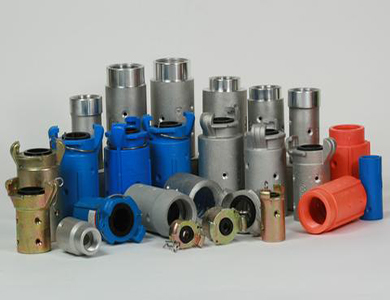
Couplings
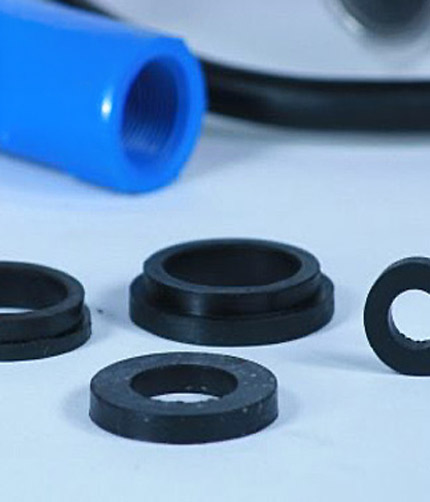
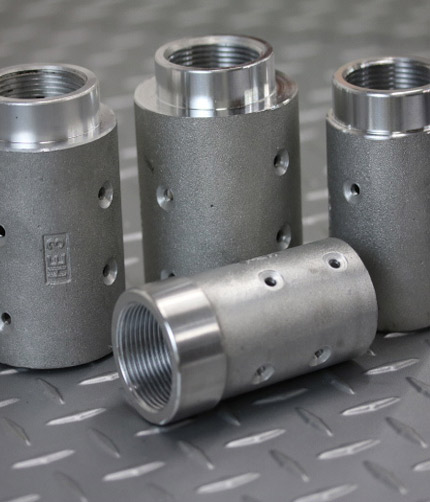
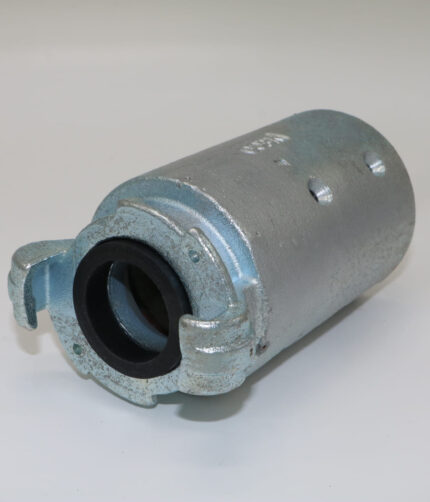
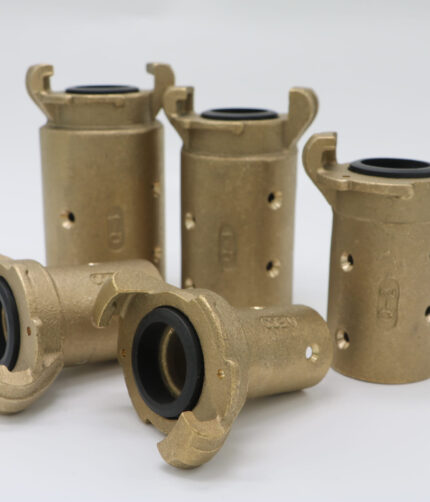
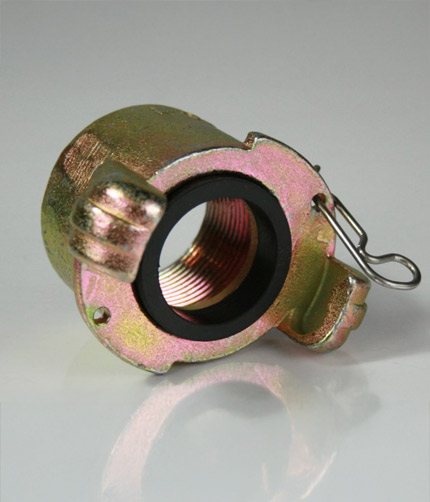
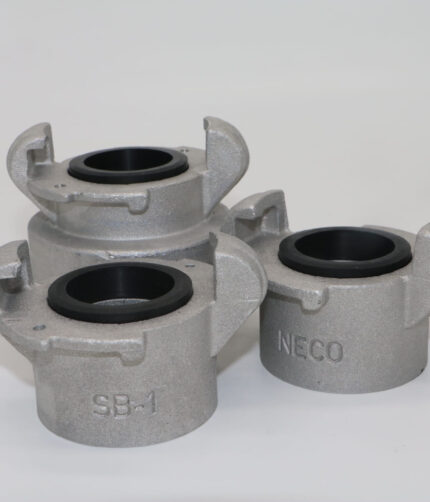
Couplings With Blue Dog couplings, or connectors, you can ensure that the pressure flow is strong and stable throughout your abrasive blasting project. Coupling actually means the pairing of two
01Oct
Sure Cut Sandblast Abrasives (Velocity & Edge)
Consumption rate reductions of up to 30-percent vs Coal Slag Faster cutting rates producing up to 50-percent less time on the job vs Coal Slag Reduction in cost per square…
01Oct
Soda Blast Sandblast Abrasive
Mohs Hardness: 2.5 Bulk Density: 60 lbs cuft Sodium Bicarbonate Abrasive Non-Destructive Blast Abrasive Soda can be used in Mobile applications and with Cabinets and Blast Rooms Good restoration and…