















How to Choose the Right Hose Size for Maximum Blasting Performance
Choosing the correct sandblasting hose size is one of the most important decisions when setting up or upgrading your blasting system. The hose is responsible for carrying both compressed air and abrasive media to the nozzle, and if it’s not sized correctly, performance suffers.
A hose that is too small restricts airflow and reduces blasting power. A hose that is too large can lead to pressure loss and reduced efficiency. When everything is properly matched, your blasting system runs smoother, faster, and more consistently.
This guide breaks down exactly how to choose the right blasting hose diameter, how it relates to nozzle size, and how to build a setup that delivers reliable performance on every job.
Why Sandblasting Hose Size Matters
In abrasive blasting, airflow is everything. The blasting hose must carry a high volume of air mixed with abrasive at high velocity. If the hose diameter is too small for the nozzle being used, it creates a restriction that limits airflow and reduces blasting efficiency.
This restriction can slow production, increase wear on equipment, and make the blasting process less consistent. On the other hand, a properly sized hose allows air and abrasive to flow freely, maintaining pressure and delivering a strong, steady blast stream.
That’s why experienced blasters always match their hose size to their nozzle and air supply.
The 4:1 Rule (Hose Size vs Nozzle Size)
One of the most widely used guidelines in the industry is the 4:1 rule. This means the inside diameter of the blasting hose should be approximately four times the diameter of the blasting nozzle.
For example, if you are using a 3/8-inch (#6) blasting nozzle, the ideal hose size would be 1-1/4 inch inside diameter. This ratio ensures that airflow is not restricted and that the blasting system can perform efficiently.
Following this rule helps maintain proper air volume and prevents bottlenecks in your blasting setup.
Sandblasting Hose Size Data
Below is a simple reference chart used by many professionals when selecting hose size:
Nozzle Size
Hose ID Recommendation
#4 (1/4″) — 3/4″ hose
#5 (5/16″) — 1″ hose
#6 (3/8″) — 1-1/4″ hose
#7 (7/16″) — 1-1/2″ hose
#8 (1/2″) — 1-1/2″ to 2″ hose
This chart gives you a reliable starting point for building an efficient blasting hose system.
2-Ply vs 4-Ply Blasting Hose
In addition to diameter, hose construction also plays an important role in performance.
A 4-ply blasting hose is thicker and more durable, making it ideal for long hose runs and demanding environments where abrasion resistance is critical. It is typically used as the main hose running from the blast pot.
A 2-ply blasting hose is lighter and more flexible. This makes it perfect for use as a whip hose, which is the short section near the nozzle that the operator handles directly.
Many professionals combine both types, using a durable 4-ply hose for the main line and a flexible 2-ply whip hose for better control at the nozzle.
How Hose Length Affects Performance
Hose length also plays a role in blasting efficiency. As hose length increases, friction inside the hose can reduce pressure and slow down abrasive flow.
Keeping hose runs as short as possible helps maintain consistent performance. When longer distances are required, choosing the correct hose diameter becomes even more important to prevent pressure drop.
A properly sized hose ensures that airflow remains strong from the blast pot all the way to the nozzle.
Building a Proper Blasting Hose Setup
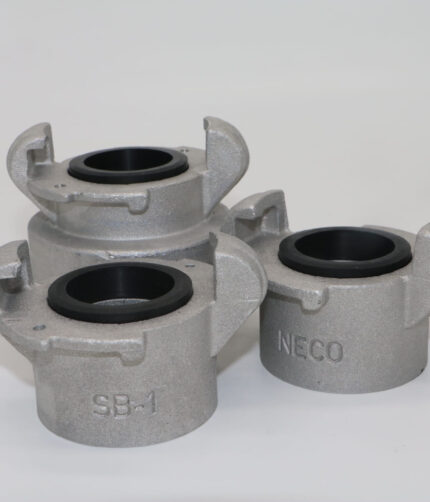
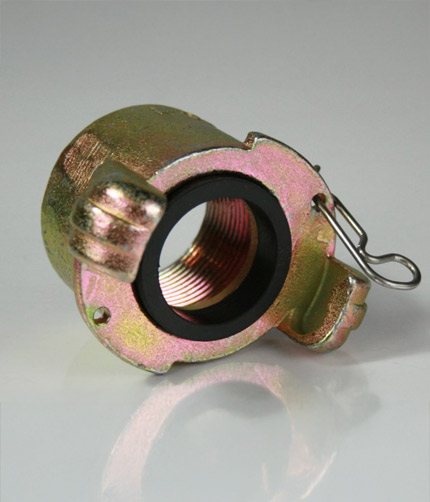
An efficient sandblasting system is built by matching all components correctly. The blasting hose, whip hose, couplings, and nozzle must all work together to maintain airflow and pressure.
Using high-quality components ensures safe operation and reduces downtime caused by leaks or hose failure. A properly configured system not only improves blasting performance but also extends the life of your equipment.
Get the Right Hose for Your Setup
At Blue Dog Blasting, you’ll find a full range of sandblasting hoses, couplings, and nozzles designed to work together seamlessly.
Whether you need a durable 4-ply blasting hose for long runs or a flexible 2-ply hose for a whip hose setup, the right components are ready to ship so you can keep your operation running without delays.
Frequently Asked Questions
What size hose should I use for sandblasting?
The general rule is to use a hose with an inside diameter that is about four times the size of your blasting nozzle. This helps maintain proper airflow and performance.
Can I use a smaller hose than recommended?
Using a smaller hose can restrict airflow and reduce blasting efficiency. It may also increase wear on your equipment over time.
Why do blasters use a whip hose?
A whip hose provides flexibility near the nozzle, making it easier to control the blast stream while reducing fatigue and protecting the main hose.
Does hose size affect blasting speed?
Yes. Proper hose sizing ensures adequate airflow, which directly impacts blasting speed and efficiency.
Not Sure What You Need?
We’ll help you match the right hose size, nozzle, and components to your setup—fast. Talk to a Blasting Expert Today at 910.303.1350
Blasting Supplies and Equipment
See our complete line of Operator Safety equipment.