















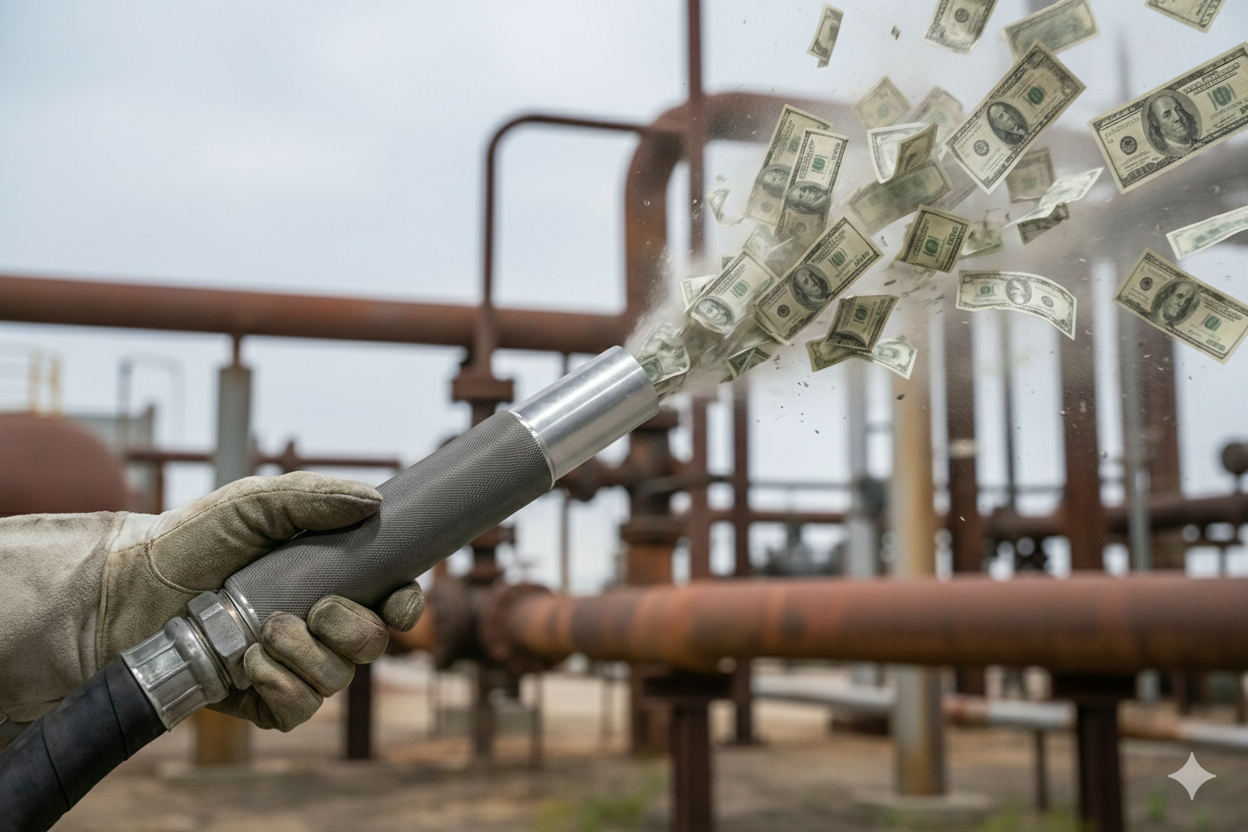
7 Ways Your Blasting Hoses Are Preventing You from Making 6 Figures
If you’re in sandblasting or industrial surface preparation, you already understand how competitive the industry can be. Margins depend on speed, efficiency, and keeping your crew working without interruption. What many contractors don’t realize is that their blast hose could be the silent profit killer standing between them and consistent six-figure revenue.
Your blasting hose is not just another consumable. It’s the lifeline of your entire blasting system. When it underperforms, everything else does too — your compressor, your nozzle, your crew, and ultimately your bottom line.
1. Worn Hoses Reduce Blast Pressure
Over time, the inner lining of a sandblasting hose wears down from abrasive media. As that interior degrades, airflow becomes inconsistent. You may not notice it immediately, but reduced pressure means slower production. Slower production means longer job times. Longer job times limit how many projects you can complete each month.
If you’re running dustless blasting or traditional dry blasting, consistent airflow is critical for maximum cleaning power. When pressure drops, profit drops.
2. Cheap Hoses Lead to Costly Downtime
A low-quality or under-rated blast hose might save money upfront, but it can cost you far more in lost productivity. Hose failures during a job shut everything down. Crews wait. Clients get frustrated. Deadlines slip.
Professional-grade 2-ply and 4-ply blast hoses are engineered for durability and abrasion resistance. If you’re blasting aggressively or working in industrial environments, using the wrong hose rating guarantees premature failure. And downtime is the enemy of six-figure revenue.
3. Leaks Drain Efficiency
Small leaks at fittings or worn sections of hose may seem minor, but they reduce system efficiency and increase compressor workload. That means higher fuel or electricity costs and lower blasting performance.
When your PPE and respirator systems rely on stable air supply, maintaining proper airflow becomes even more important. An inefficient hose doesn’t just affect production — it can impact overall system performance and operator comfort.
4. The Wrong Hose for the Application
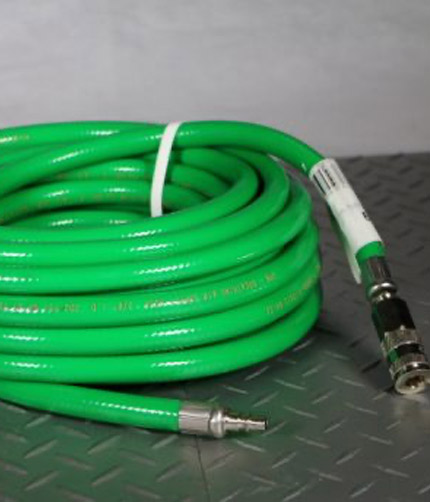
Not all blasting hoses are built for the same workload. A contractor doing occasional light-duty work may get by with a standard setup. But if you’re blasting daily, running aggressive media, or handling larger industrial jobs, you need a heavy-duty sandblasting hose designed for continuous use.
Choosing the correct inner diameter (ID), length, and ply rating directly impacts airflow, productivity, and durability. The wrong configuration quietly limits how fast and efficiently you can work.
5. Frequent Replacements Add Up
If you’re replacing blasting hoses multiple times per year, you’re not saving money — you’re cycling through consumables. Each replacement involves labor, potential downtime, and shipping costs.
Investing in a higher-quality industrial blast hose may cost more initially, but it reduces long-term replacement frequency and keeps production steady.
6. Inconsistent Performance Hurts Crew Productivity
When airflow fluctuates or pressure drops, operators adjust their technique to compensate. They may hold the nozzle closer, increase pressure, or move more slowly. Over time, this leads to fatigue and inconsistent surface preparation results.
Efficient tools make efficient crews. When your blast hose performs reliably, your team works faster and with more confidence.
7. Focusing on Price Instead of Profit
The biggest mistake many contractors make is shopping hoses by price per foot rather than total return on investment. A better hose that increases production speed by even 10–15% can mean completing one more job per month. Over a year, that can represent tens of thousands in additional revenue.
Six-figure blasting businesses focus on uptime, airflow efficiency, durability, and overall system performance — not just initial cost.
The Bottom Line
Your sandblasting hose is one of the most important components in your blasting setup. It controls airflow, supports your nozzle performance, affects PPE air supply systems, and determines how efficiently you can complete jobs.
If you’re dealing with pressure loss, frequent hose failures, or constant replacements, it may be time to upgrade your blasting hose to a professional-grade solution designed for serious surface preparation work.
Reaching six figures isn’t just about landing more jobs. It’s about maximizing productivity on every job you already have. And sometimes, the path to higher revenue starts with something as simple as the right blast hose.
Blasting Hoses, Supplies and Equipment
See our complete line of Operator Safety equipment and Blasting Hoses